Why Clearance Testing After Mold Removal Matters for Holly Springs Homeowners
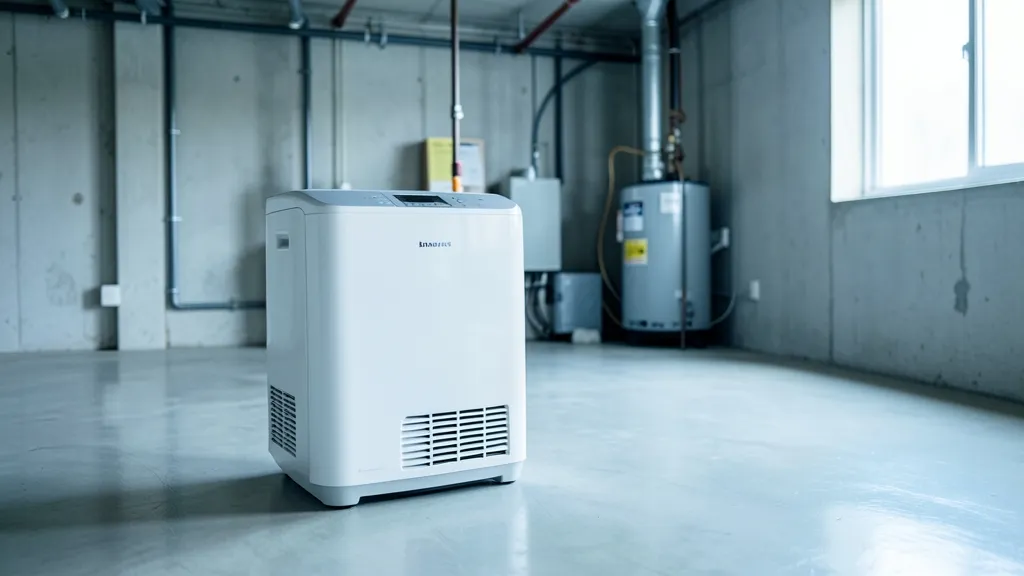
Mold removal isn’t complete until clearance testing confirms the job was done right. Without it, hidden spores can linger, recontaminate your home, and put your family’s health at risk. Our team explains why this final step is non-negotiable for Holly Springs properties.
What Is Clearance Testing, and Why Is It Non-Negotiable?
Clearance testing, or post-remediation verification, is the final inspection and air/ surface sampling conducted after mold removal. It’s the only way to confirm spore levels are within safe, normal ranges.
Unlike visual inspections, clearance testing uses lab analysis to detect microscopic spores that could trigger allergies, respiratory issues, or future outbreaks. Skipping it risks undetected contamination.
Mold spores are microscopic and can travel through HVAC systems, settling in new areas. Clearance testing catches what the eye can’t see.
How Clearance Testing Works in Mold Remediation
Our process starts with a thorough visual inspection of the remediated area, including adjacent spaces like crawl spaces or attics where spores may have migrated.
We collect air and surface samples using industry-standard methods, then send them to a certified lab. Results are compared to outdoor baseline levels to determine if the environment is safe.
For homes in Holly Springs, we pay special attention to high-humidity zones like basements and crawl spaces, where moisture lingers and mold thrives.
Clearance Testing vs. Initial Mold Testing: Key Differences
Initial mold testing identifies the type and extent of contamination before remediation. Clearance testing, on the other hand, verifies that remediation was successful.
| Purpose | When It’s Done | What It Measures |
|---|---|---|
| Identify mold presence and species | Before remediation | Spore types, concentration, and moisture sources |
| Verify remediation success | After mold removal | Post-treatment spore counts vs. baseline |
| Assess indoor air quality | Either stage | Airborne spores, VOCs, and humidity levels |
What Happens If You Skip Clearance Testing?
Without clearance testing, you have no proof the mold is gone. Spores can remain dormant for months, then regrow when humidity rises—common in Holly Springs’ humid summers.
Undetected mold can damage drywall, insulation, and structural wood, leading to costly repairs. Worse, it can trigger health issues like chronic coughs, headaches, or asthma flare-ups.
If you sell your home later, buyers may request remediation records. Clearance testing provides the documentation to prove your property is mold-free.
Some insurance providers require clearance testing to process claims. For real estate transactions, it’s often a deal-breaker without it.
How Long Does Clearance Testing Take?
On-site sampling takes 1–2 hours, depending on the size of the remediated area. Lab results typically arrive within 24–48 hours, though some tests may take up to 5 days.
We prioritize quick turnaround for Holly Springs homeowners, especially after water damage or storm-related mold outbreaks, when time is critical.
Who Should Perform Clearance Testing?
For unbiased results, clearance testing should be conducted by a third-party professional—not the same company that performed the remediation. This ensures objectivity.
Our team partners with certified industrial hygienists and labs to provide independent verification. We never cut corners, because your safety depends on it.
In commercial settings, like schools or offices in Apex or Cary, third-party testing is often required by local regulations or insurance policies.
Signs You Might Still Have Mold After Remediation
Musty odors are a red flag—mold often hides behind walls or under flooring. Even if you don’t see it, spores can linger.
Recurring allergy symptoms, like sneezing or itchy eyes, may indicate residual mold. Water stains or new discoloration on walls or ceilings are also warning signs.
If your HVAC system wasn’t properly cleaned, spores can circulate throughout your home. Clearance testing checks for these hidden risks.
Post-Remediation Red Flags
- Persistent musty smells
- Unexplained allergy or respiratory symptoms
- New water stains or discoloration
- High humidity levels (above 50%)
Clearance Testing for Different Areas of Your Home
Crawl spaces and basements are high-risk zones in Holly Springs due to poor ventilation and moisture from the ground. Clearance testing here often requires extra surface samples.
Attics can harbor mold from roof leaks or poor insulation. We check for spores in insulation, wood framing, and air ducts.
For commercial properties in Fuquay-Varina or Willow Spring, we tailor testing to larger spaces, focusing on HVAC systems and shared ventilation.
How to Prepare for Clearance Testing After Mold Removal
A few simple steps ensure accurate results and a smooth process.
- 1Avoid Disturbing the Area
Don’t clean, vacuum, or enter the remediated space for at least 24 hours before testing. This prevents false low spore counts.
- 2Run HVAC Normally
Keep your heating or cooling system running as usual. This helps detect airborne spores that may be circulating.
- 3Close Windows and Doors
Seal the home 12–24 hours before testing to stabilize indoor air and get a true reading of spore levels.
- 4Clear the Space
Remove pets, plants, and any items that could interfere with air sampling equipment or skew results.
- 5Provide Access
Ensure the technician can reach all remediated areas, including crawl spaces, attics, and basements. Unlocked access speeds up the process.
Frequently Asked Questions
Is clearance testing required by law in Holly Springs or North Carolina?
North Carolina doesn’t mandate clearance testing for residential mold remediation, but it’s highly recommended. For commercial properties or insurance claims, it’s often required. Always check your policy or local guidelines.
How much does clearance testing cost?
Costs vary based on the size of your home, the number of samples needed, and lab fees. Factors include the type of testing (air, surface, or both) and whether you need expedited results. Request a quote for an accurate estimate.
Can I do clearance testing myself with a DIY kit?
DIY mold test kits are not reliable for post-remediation verification. They lack the precision of professional sampling and lab analysis. For accurate, defensible results, hire a professional.
What if my clearance test fails?
If spore levels are still high, we’ll identify the source—whether it’s missed contamination, cross-contamination, or a new moisture issue. Additional remediation may be needed, followed by retesting.
Does clearance testing cover mold in HVAC systems?
Yes, but it requires specialized sampling. Mold in ductwork can spread spores throughout your home, so we often include HVAC testing in our clearance process, especially for homes in humid areas like Holly Springs.
How often should I retest for mold after remediation?
If your clearance test passes, retesting isn’t usually necessary unless you notice new signs of mold or water damage. For peace of mind, some homeowners schedule annual air quality tests, particularly in high-humidity climates.